
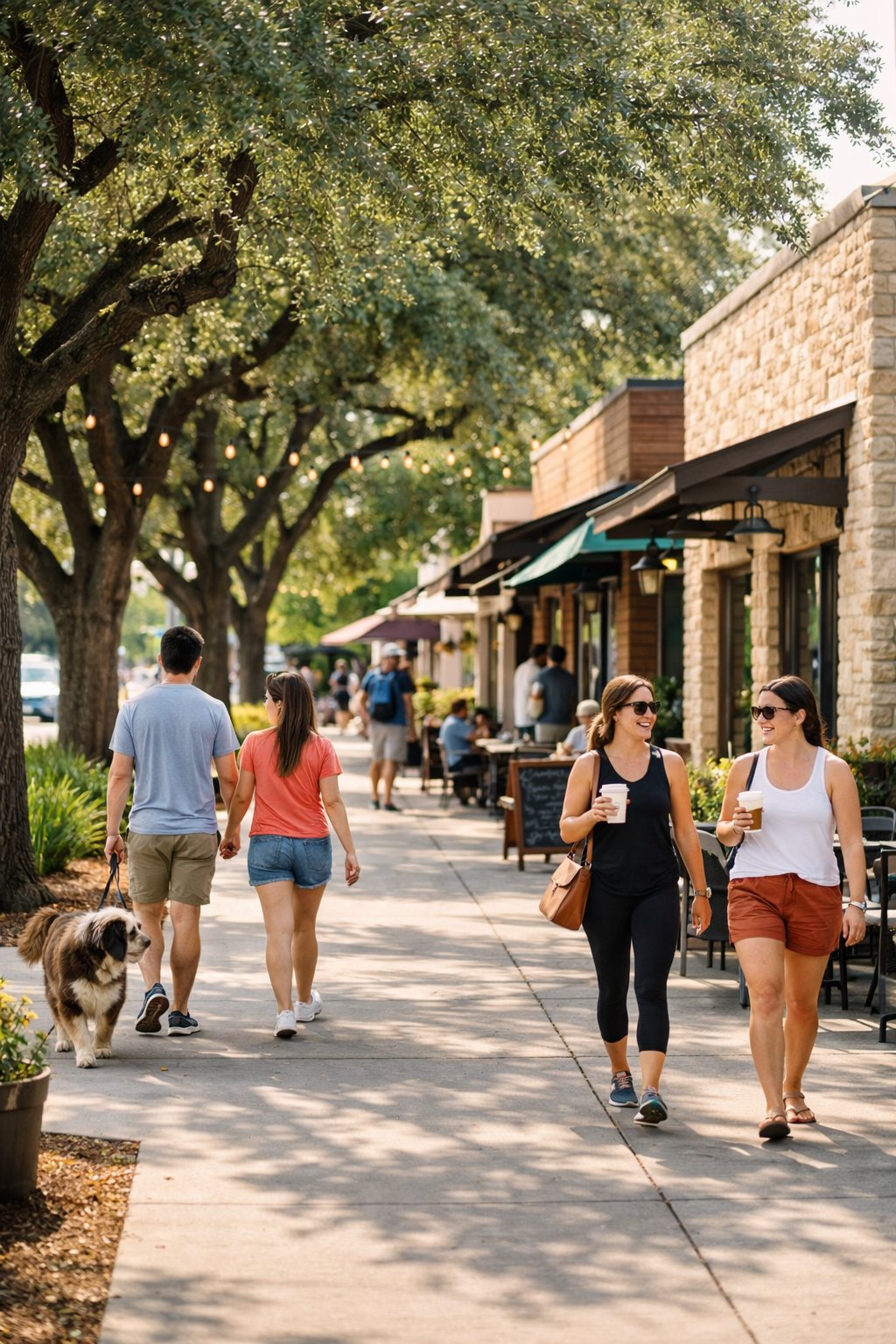
When people search for walkable neighborhoods in Austin, they usually find the same short list — and while those areas deserve the attention, they don’t tell the whole story.
Walkability isn’t just about being close to downtown or living in a condo. It’s about how you move through your day: grabbing coffee, walking to dinner, accessing parks and trails, hopping on public transit, or simply choosing not to drive.
Austin offers walkable neighborhoods at many price points and lifestyles, including several that rarely make the top of Google’s rankings. Here’s a more thoughtful, lived-in look at Austin neighborhoods where walkability truly shows up — from classics to under-the-radar gems.
Austin’s Gold Standards for Walkability
78704 — Bouldin, Travis Heights, Barton Hills, Dawson & South Lamar
If Austin had a walkability heartbeat, it would live here.
These neighborhoods offer the full package: coffee shops, restaurants, live music, local retail, Barton Springs, the Lady Bird Lake Trail, and streets that actually invite you to walk. It’s easy to run errands, meet friends, enjoy the outdoors, and still feel tucked into a neighborhood.
For many, this is Austin’s most complete walkable lifestyle.
Downtown Austin
True lock-and-leave living.
Downtown is ideal for those who want a fully walkable, car-light lifestyle — empty nesters downsizing, entrepreneurs, frequent travelers, or professionals working at nearby tech hubs like Google.
Walk to restaurants, coffee shops, cultural events, Whole Foods, nightlife, and the Town Lake Trail. You trade Hill Country views for skyline sunsets, convenience, and energy right outside your door.
Historic, Central & Character-Filled
Clarksville
Historic charm with effortless access.
Clarksville blends old Austin character with modern walkability. Residents enjoy walking to neighborhood coffee shops, local restaurants along West Lynn, Pease Park, and even downtown. It’s ideal for those who want walkability without high-rise living — and who value character as much as location.
Aldridge Place
A true hidden gem.
Tucked between Clarksville and Old Enfield, Aldridge Place feels quiet and residential while offering easy access to Pease Park, nearby dining, and downtown. It’s walkable in a subtle way — perfect for buyers who want proximity without the bustle.
Deep Eddy
Walkability rooted in lifestyle.
Deep Eddy’s appeal centers around outdoor living. Walk to Deep Eddy Pool, nearby cafes, casual dining, Lake Austin access, and the hike-and-bike trail. It’s laid-back, local, and perfect for those who want walkability anchored by parks, water, and nature rather than nightlife.
North & Central Austin: Everyday Walkability
Hyde Park
Classic, academic, and deeply Austin.
Hyde Park pairs leafy streets with walkable access to Guadalupe’s restaurants, vintage shops, bookstores, and coffee spots like First Light. Reliable public transit and proximity to UT make this neighborhood ideal for those who want walkability with a quieter, established feel.
Rosedale
Low-key and centrally connected.
Rosedale residents enjoy easy walks to Ramsey Park, Upper Crust Bakery, and Burnet Road’s growing mix of dining and shopping. It’s a calm, central neighborhood that quietly delivers strong walk-to-do-stuff energy.
Brentwood & Allandale
Burnet Road is the anchor.
These neighborhoods shine thanks to their access to Burnet Road — offering restaurants, coffee shops, art spaces, everyday conveniences, and public transit straight to downtown. Add Shoal Creek’s hike-and-bike trail and a wide range of housing options, and you have walkability that works across many stages of life.
Highland Park
Underrated and quietly excellent.
Highland Park offers walkable access along Balcones to local restaurants, Russell’s Bakery, and nearby parks. It often flies under the radar, but once you experience it, the neighborhood’s ease and charm become clear.
East Austin Energy & Connection
East Austin
Choose your walkable rhythm.
East Austin offers flexibility: walk to Rainey Street or stay local with neighborhood pubs, restaurants, and coffee shops. Add workouts along Lady Bird Lake, live music, and unique experiences like tango lessons at Tango Esquina, and you have a dynamic, evolving walkable lifestyle.
Manor Road Corridor — Cherrywood & Forest Hills
Community-driven and convenient.
This corridor connects Cherrywood and Forest Hills with some of Austin’s most beloved restaurants, coffee shops, and casual hangouts. With easy access to UT and downtown, it offers a walkable, social lifestyle without feeling overwhelming.
Designed With Walkability in Mind
Mueller
A modern village feel.
Mueller was intentionally designed for walkability. Residents enjoy museums, restaurants, parks, pools, trails, and community events — all connected by sidewalks and green space.
Housing ranges from single-family homes to condos and townhomes, many with low-maintenance yards or lock-and-leave appeal. It’s especially attractive to those who want community without constant upkeep.
Windsor Park
Approachable walkability with room to grow.
Windsor Park offers access to 51st Street for shopping, dining, parks, and everyday conveniences. It’s practical, connected, and often overlooked — making it a compelling option for buyers who want walkability without the premium price tag of more central neighborhoods.
Final Thoughts
Walkability in Austin isn’t about checking a box — it’s about how your neighborhood supports your daily life.
Whether you’re drawn to historic streets, outdoor access, modern design, or full-on city energy, Austin offers walkable neighborhoods across a wide range of lifestyles and price points — many beyond what a quick Google search will show you.
If walkability is high on your list, I’m always happy to help narrow down which neighborhood fits how you actually live.
